
Cape Verde
Copyright: Frank Bach/ShutterstockCape Verde
Cape Verde's unique geographic location, tumultuous history of slavery and invasion, and fascinating mix of transatlantic cultures have given rise to a place unlike any other on the globe. A place as joyful as it is full of longing, a fact perhaps best reflected in Cape Verdean music and the hauntingly beautiful 'morna'. The sometimes harsh, drought-prone conditions of this mid-Atlantic scattering of islands have seen the flourishing of a fascinating Creole culture and the most stable democracy in Africa.The Islands
Off the western coast of Africa, almost exactly halfway between Portugal and Brazil, lies a volcanic archipelago of breathtaking natural beauty and sobering historical tragedy. The terrain ranges from barren and rocky volcanic backdrops to lush tropical forests, with white and gold beaches and indigo seas. Equally varied is the cultural heritage of the islands' inhabitants, a Portuguese-African Creole with ties to the Caribbean, as much São Paulo and Kingston as it is Dakar and Lisbon, a fact reflected in their speech, their music, their cooking and their general outlook on life and 'morabeza', the hallmark Cape Verdean hospitality. The 10 islands that make up the archipelago (nine of which are currently inhabited) are rather charmingly laid out in the shape of an arrow, pointing southeast towards the Senegalese coast. Sal is the main island for tourists, with the city of Santa Maria offering plenty of resorts, restaurants and fine shopping, while São Vicente (and in particular the city of Mindelo) is the country's cultural hub. Santiago is home to the capital, Praia, and the main port, which handles most of the commercial and passenger vessels travelling to and from the islands. Visitors would do well to explore as much of the archipelago as possible, as each island is a world unto itself, deserving of our admiration and awe.Do & See
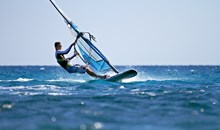
Adventure awaits amidst the rugged beauty of the Cape Verde islands. Thrill-seekers come from around the globe for first-class windsurfing and game fishing, to gape at the underwater marvels while diving and snorkelling and to admire the islands from atop an active volcano after a full-day hike. But there is plenty in the way of leisure, as well, with pristine golden beaches and a burgeoning resort infrastructure. Be sure, however, not to miss the historical wonders found at Cidade Velha and among the streets of Praia and Mindelo.
 Copyright: Erik Kristensen/CC BY 2.0/Wikimedia
 Copyright: Samuel Borges Photography / Shutterstock.com
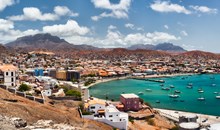 Copyright: Frank Bach / Shutterstock.com
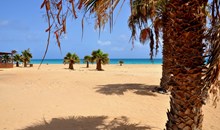 Copyright: Styve Reineck / Shutterstock.com
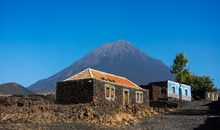 Copyright: Sabine Hortebusch / Shutterstock.com
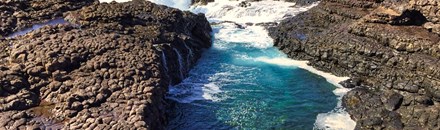 Copyright: Nikola Cedikova/Shutterstock
 Copyright: luis abrantes / Shutterstock.com
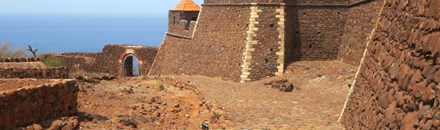 Copyright: David Stanley/CC BY 2.0/Flickr
 Copyright: CorreiaPM/Public domain/Wikimedia
 Copyright: Polly Dawson / Shutterstock.com
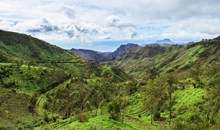 Copyright: Samuel Borges Photography / Shutterstock.com
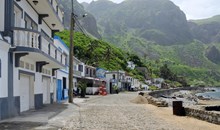 Copyright: LivetImages / Shutterstock.com
 Copyright: Dima Fadeev / Shutterstock.com
 Copyright: PLRANG ART / Shutterstock.com
 Copyright: Lawrence Jackson / Shutterstock.com
 Copyright: Vladimir Krupenkin / Shutterstock.com
Dining
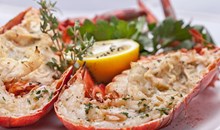
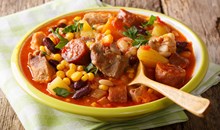
Seafood abounds in Cape Verde, with delicacies like grilled lobster, tuna, and octopus featuring on most menus, as well as Creole and Portuguese specialities. The most representative typical dish is the 'cachupa', a filling slow-cooked stew of corn, beans, cassava, sweet potato, fish or meat. The larger towns offer an increasingly wide variety of restaurants and cuisines, but on smaller islands, many places will be limited to the lunch of the day ('prato do dia'), which usually includes the freshest catches.
 Copyright: thieury / Shuttestock.com
 Copyright: Galina Barskaya/Shutterstock
 Copyright: Yevgen Romanenko / Shutterstock.com
 Copyright: AS Foodstudio/Shutterstock
 Copyright: Rui Ornelas/CC BY 2.0/Flickr
 Copyright: Sabina Kunitsyna/Shutterstock (cropped)
 Copyright: Africa Studio / Shutterstock.com
Cafés
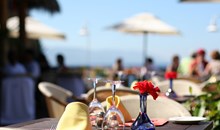
Most Cape Verdean cafés double as restaurants or bars, so you can often eat, drink, and have dessert at the same place. Pastries are particular highlights here, many following the Portuguese traditions, as are the jams ('doce') made from local exotic fruits, often served with goat cheese for dessert. There is a steadily increasing selection of cafés to be found in the major towns and near popular beach areas.
 Copyright: Pinkcandy / Shutterstock.com
 Copyright: Natalia Mylova / Shutterstock.com
 Copyright: Branislav Nenin/Shutterstock
 Copyright: Shebeko / Shutterstock.com
 Copyright: BMProductions/Shutterstock
 Copyright: Gtranquillity / Shutterstock.com
Bars & Nightlife
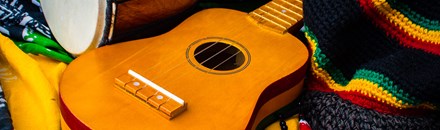
Nightlife in Cape Verde moves to the sounds of 'morna', a beautiful form of folk music that fully captures the country's rich history and mix of cultural influences. In taverns around the islands, people gather after dark to hear the mournful sounds of singers accompanied by guitars, violins, and pianos. More joyful melodies come from the islands' other genres of 'funaná', 'batuque', and 'coladeira', all of which liven up a nightlife scene that lives and breathes music and tradition.
 Copyright: Meik / Shutterstock.com
 Copyright: iko / Shutterstock.com
 Copyright: 5PH / Shutterstock.com
 Copyright: oneinchpunch / Shutterstock.com
 Copyright: iravgustin / Shutterstock.com
 Copyright: PopTika / Shutterstock.com
 Copyright: Sergei Bachlakov / Shutterstock.com
 Copyright: Africa Studio / Shutterstock.com
Shopping
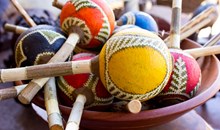
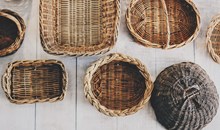
Most everyday products in Cape Verde are imported and thus tend to be on the expensive side, but locally-produced items are plentiful, and strolling through the stalls at any of the islands' vibrant markets is an experience not to be missed. Find fresh produce and fish, local coffee, cheese and jam, wine, rum, the traditional grogue, and of course, a wealth of handicrafts and artwork, including wood carvings, woven baskets, paintings and jewellery.
 Copyright: In Green / Shutterstock.com
 Copyright: Herbert wie/CC BY-SA 4.0/Wikimedia
 Copyright: Anneke Swanepoel / Shutterstock.com
 Copyright: Sopotnicki / Shutterstock.com
 Copyright: Africa Studio / Shutterstock.com
 Copyright: Monkey Business Images / Shutterstock.com
 Copyright: Lisa S. / Shutterstock.com
 Copyright: Stone36 / Shutterstock.com
 Copyright: EugeniaSt / Shutterstock.com
 Copyright: Zachary Staines / unsplash.com
 Copyright: Oleg V. Ivanov / Shutterstock.com
 Copyright: ImYanis/Shutterstock
 Copyright: Salvador Aznar/Shutterstock (cropped)
 Copyright: Salvador Aznar/Shutterstock (cropped)
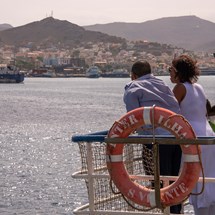 Copyright: Salvador Aznar/Shutterstock
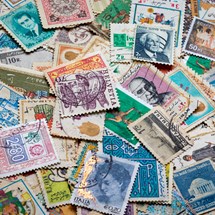 Copyright: Ali Bakhtiari/Unsplash
 Copyright: Serkan Yildiz/Unsplash
 Copyright: Wesley Hilario/Unsplash
 Copyright: Neven Krcmarek/Unsplash
